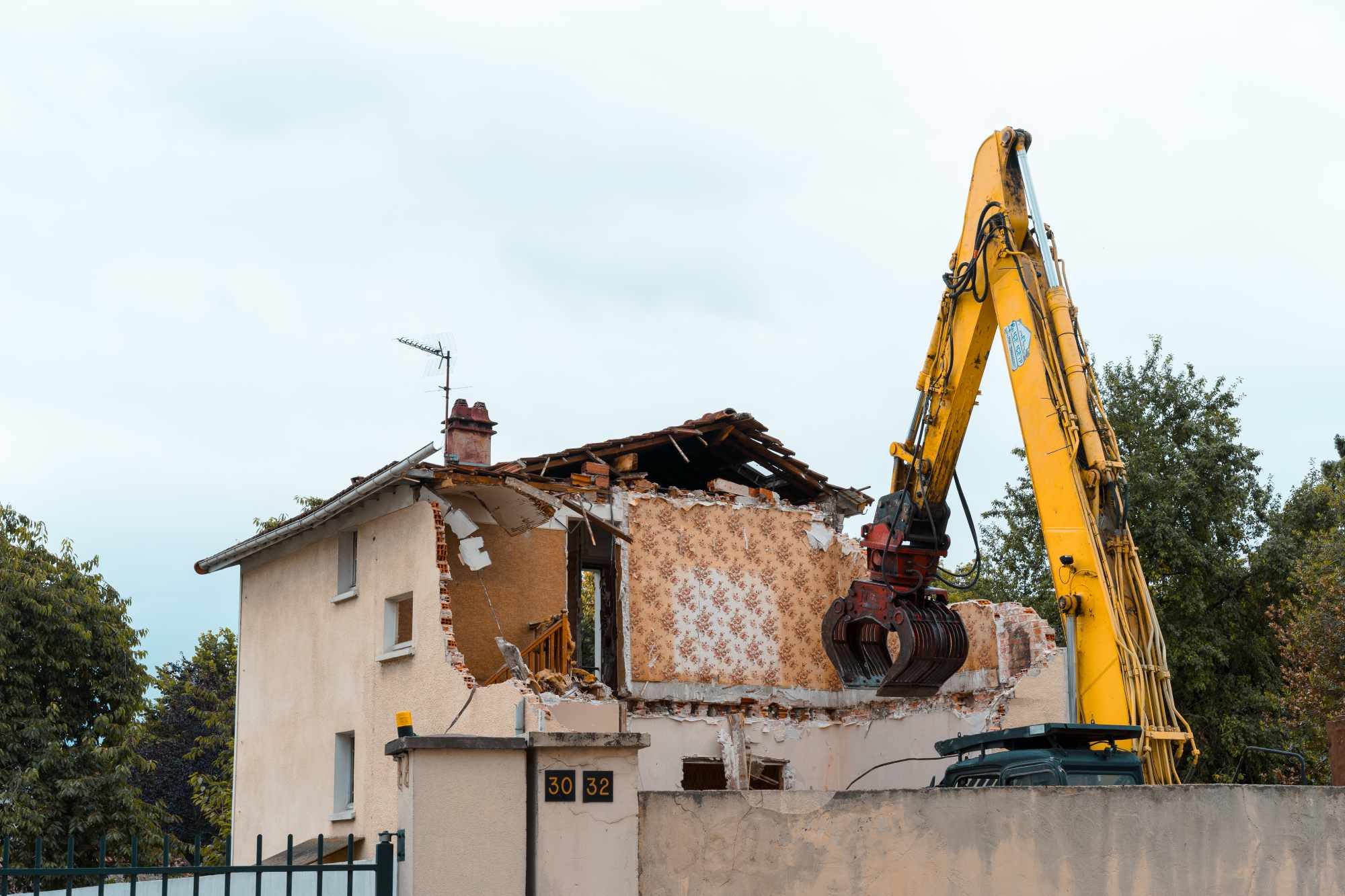
Demolition
Demolition is the critical first step in preparing a site for new development or renovation. It requires careful planning, professional knowledge, and strict safety procedures to ensure the work is completed correctly. Every structure presents unique challenges that must be evaluated before any removal begins. With the right expertise and equipment, demolition can be carried out efficiently while protecting surrounding areas. A well-managed demolition process sets the foundation for the next phase of construction. Proper execution ensures that projects move forward smoothly without unnecessary delays.
Effective demolition work begins with a detailed site assessment and strategic planning. Professionals evaluate structural elements, access points, and safety considerations before starting the process. This preparation allows the team to remove structures in a controlled and organised manner. By following proven procedures, the work remains efficient while maintaining safety standards at every stage. Skilled operators coordinate equipment and manpower to achieve accurate results. Careful planning ultimately reduces risks and improves overall project efficiency.
Controlled demolition techniques are essential for maintaining safety and precision on any project site. Instead of rushing the process, experienced teams remove structures systematically and responsibly. This approach ensures surrounding buildings, utilities, and landscapes remain protected during the work. Advanced equipment and skilled handling make it possible to manage even complex demolitions effectively. Each phase is monitored closely to ensure the project remains on schedule. The result is a clean, organised site ready for redevelopment.
Another important aspect of professional demolition is responsible material management. Materials removed during demolition are sorted and handled with care to maintain site cleanliness and safety. Proper disposal methods help reduce environmental impact while keeping the worksite organised. Maintaining a structured process ensures debris is removed efficiently throughout the project. This attention to detail keeps the site clear for the next construction phase. A well-maintained site also improves productivity for everyone involved.
Demolition services play a key role in both residential and commercial construction projects. From small interior removals to large structural clearances, every task requires the right level of expertise. Experienced teams understand how to approach different building types and materials effectively. By adapting their methods to each project, they deliver accurate and dependable results. This flexibility allows demolition work to support a wide range of development needs. Reliable execution ensures the project progresses without complications.
Successful demolition ultimately prepares the groundwork for future construction success. A properly cleared and prepared site allows builders to begin the next stage with confidence. Professional execution ensures the environment remains safe, organised, and ready for development. Every step taken during demolition contributes to the stability of the project moving forward. Careful workmanship and strong attention to detail make a significant difference. With the right approach, demolition becomes the first step toward building something better.
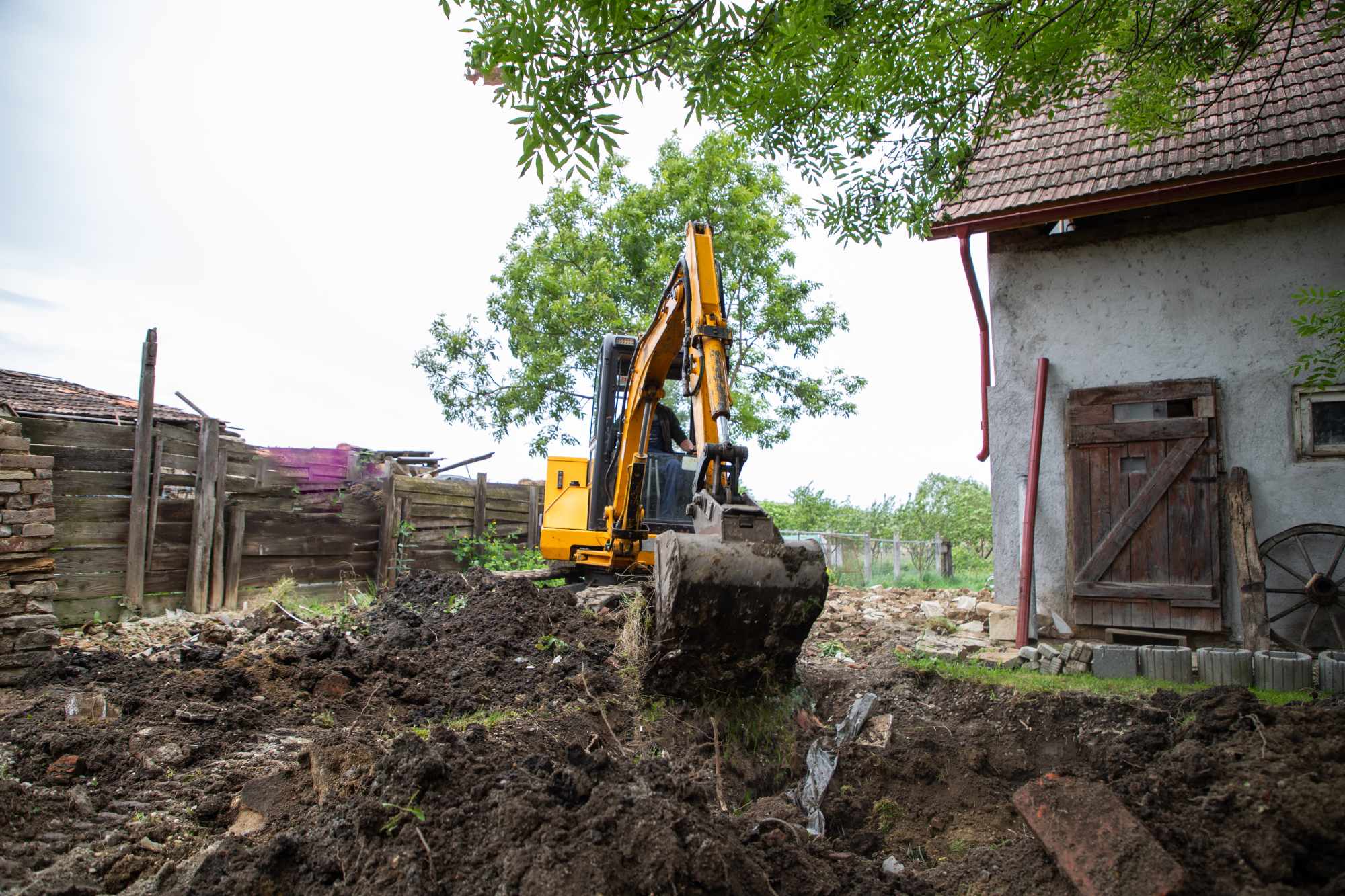
Excavation
Excavation is one of the most important stages in preparing a site for construction. It involves removing soil, rock, or other materials to create the space required for foundations, utilities, and structural work. Proper excavation ensures the stability and durability of any building project. When carried out by experienced professionals, the process becomes efficient, controlled, and reliable. Careful excavation helps prevent structural issues later in construction. A well-prepared site ultimately supports safe and successful development.
Every excavation project begins with careful planning and site evaluation. Ground conditions, soil composition, and drainage factors must all be assessed before work starts. This preparation allows operators to determine the most suitable equipment and techniques for the job. Skilled teams work methodically to maintain accurate levels and measurements throughout the process. Maintaining precision during excavation is essential for proper structural alignment. Thorough preparation ensures the groundwork is strong and dependable.
Modern excavation relies on advanced machinery and experienced operators to achieve accurate results. Equipment is carefully selected based on the type of terrain and project requirements. Skilled handling ensures materials are removed efficiently while maintaining control over the work area. Proper coordination between operators and site supervisors keeps the process organised and productive. This structured approach helps minimise disruption to surrounding areas. Precision machinery combined with professional expertise ensures reliable outcomes.
Safety remains a key priority throughout the excavation process. Operators follow strict procedures to protect both workers and nearby structures. Careful monitoring of soil stability and ground movement helps reduce potential risks. Clear communication among the team ensures that each stage of the project proceeds smoothly. Maintaining a controlled environment helps prevent accidents and unnecessary delays. A safety-focused approach creates a secure and productive worksite.
Excavation services support a wide range of construction activities. From preparing land for new buildings to digging trenches for utilities, each task requires careful attention to detail. Experienced teams understand how to adapt their methods depending on the project requirements. By maintaining accuracy and efficiency, excavation work contributes directly to construction success. Reliable groundwork allows builders to proceed with confidence. Well-executed excavation ensures projects remain on track.
At its core, excavation lays the foundation for long-lasting structures. A properly excavated site ensures that foundations are stable and construction can progress without complications. Professional workmanship ensures the work is completed to exact specifications. The quality of excavation directly impacts the overall strength and durability of the final structure. Through precise execution and careful planning, excavation becomes the backbone of successful building projects. Strong groundwork leads to dependable construction results.
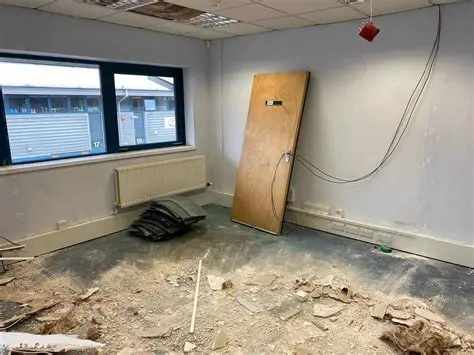
Strip Out
Strip-out services play a vital role in renovation and redevelopment projects. This process involves carefully removing internal structures, fixtures, and fittings to prepare a property for refurbishment. Whether for residential or commercial spaces, strip outs must be completed with precision and organisation. Proper removal ensures the remaining structure remains intact and safe. Skilled professionals manage the process methodically to avoid unnecessary damage. A well-executed strip out creates a clean foundation for the next stage of work.
Before any removal begins, a detailed assessment of the property is carried out. This allows the team to identify which elements need to be removed and which structures must remain protected. Planning each step ensures the process runs smoothly and efficiently. Experienced crews follow organised procedures to maintain safety and site control. By preparing carefully, the strip-out work progresses without complications. Proper preparation helps ensure the renovation stage begins on solid ground.
During the strip-out process, various internal components are removed systematically. These may include walls, ceilings, cabinetry, flooring, and outdated fixtures. The work is carried out in a controlled manner to maintain the structural integrity of the property. Skilled operators use specialised tools to complete removals with accuracy. Maintaining order during removal keeps the worksite safe and organised. Each stage is managed carefully to support the next phase of construction.
Efficient material handling is another key aspect of professional strip-out services. Removed materials are sorted, managed, and cleared from the site responsibly. Maintaining a tidy work environment helps improve safety and productivity for the entire project. Proper waste handling also ensures compliance with local regulations. Keeping the site organised allows renovation teams to begin work without delay. This organised approach improves overall project efficiency.
Strip-out services are commonly required for both residential renovations and commercial refurbishments. From homes and apartments to offices and retail spaces, each environment requires a tailored approach. Experienced teams understand how to adapt their techniques depending on the type of property. By working with care and precision, they ensure the space is properly prepared for redevelopment. Reliable strip-out work helps transform outdated interiors into fresh new environments. The process becomes the first step toward modernisation.
Ultimately, strip-out work prepares the interior space for a successful transformation. A clean and cleared structure allows designers, builders, and installers to begin their work effectively. Professional execution ensures the property is ready for new layouts, finishes, and installations. Every step taken during the strip-out stage contributes to the overall success of the renovation. Careful workmanship and structured planning make a significant difference. With the right approach, a strip out becomes the beginning of a complete property renewal.

Bathroom Strip Out
Bathroom strip outs are an essential first step in any successful bathroom renovation. This process involves carefully removing existing fixtures, fittings, tiles, and internal components to prepare the space for a complete transformation. Professional strip-out work ensures the area is cleared safely without damaging surrounding structures. Proper preparation allows renovation work to begin smoothly and efficiently. Skilled professionals approach the task with careful planning and attention to detail. A well-executed strip out creates the perfect starting point for a modern and functional bathroom design.
Before beginning the removal process, the bathroom area is carefully inspected to understand the layout and existing structure. This assessment helps determine the safest and most efficient way to remove fixtures and materials. Water lines, drainage systems, and electrical connections are considered during the planning stage. Careful preparation ensures the process is organised and controlled. By understanding the structure in advance, the team can avoid unnecessary complications. This step ensures the renovation process begins on the right track.
During the strip-out phase, outdated fittings such as bathtubs, sinks, vanities, cabinets, and shower units are carefully removed. Tiles, flooring, and wall coverings are also taken out to expose the underlying surfaces. The work is carried out methodically to prevent structural damage. Skilled operators use specialised tools to ensure efficient removal of materials. Maintaining precision during this stage helps protect the surrounding framework. The goal is to leave the space clean and ready for rebuilding.
Proper material handling is another important part of bathroom strip-out work. Removed tiles, fixtures, and debris are sorted and cleared from the area to maintain a safe working environment. Keeping the space organised allows renovation teams to move forward without delays. Responsible disposal of materials also ensures compliance with environmental and safety standards. Maintaining site cleanliness improves overall project efficiency. An organised workspace supports smoother progress during the renovation stage.
Bathroom strip outs require both skill and care due to the compact nature of the space. Plumbing systems, waterproofing layers, and structural elements must be handled carefully. Experienced professionals understand how to remove materials without affecting surrounding components. This level of attention ensures the integrity of the building remains intact. A controlled and systematic approach reduces the risk of complications during renovation. Careful workmanship helps maintain the quality of the overall project.
Once the strip-out process is completed, the bathroom area is fully prepared for its new design and installation work. The cleared space allows plumbers, tilers, and builders to begin their work without obstruction. Proper preparation ensures the renovation can proceed efficiently and according to plan. Every step in the strip-out stage contributes to the final quality of the new bathroom. With the right preparation and execution, the space becomes ready for a fresh and modern transformation.
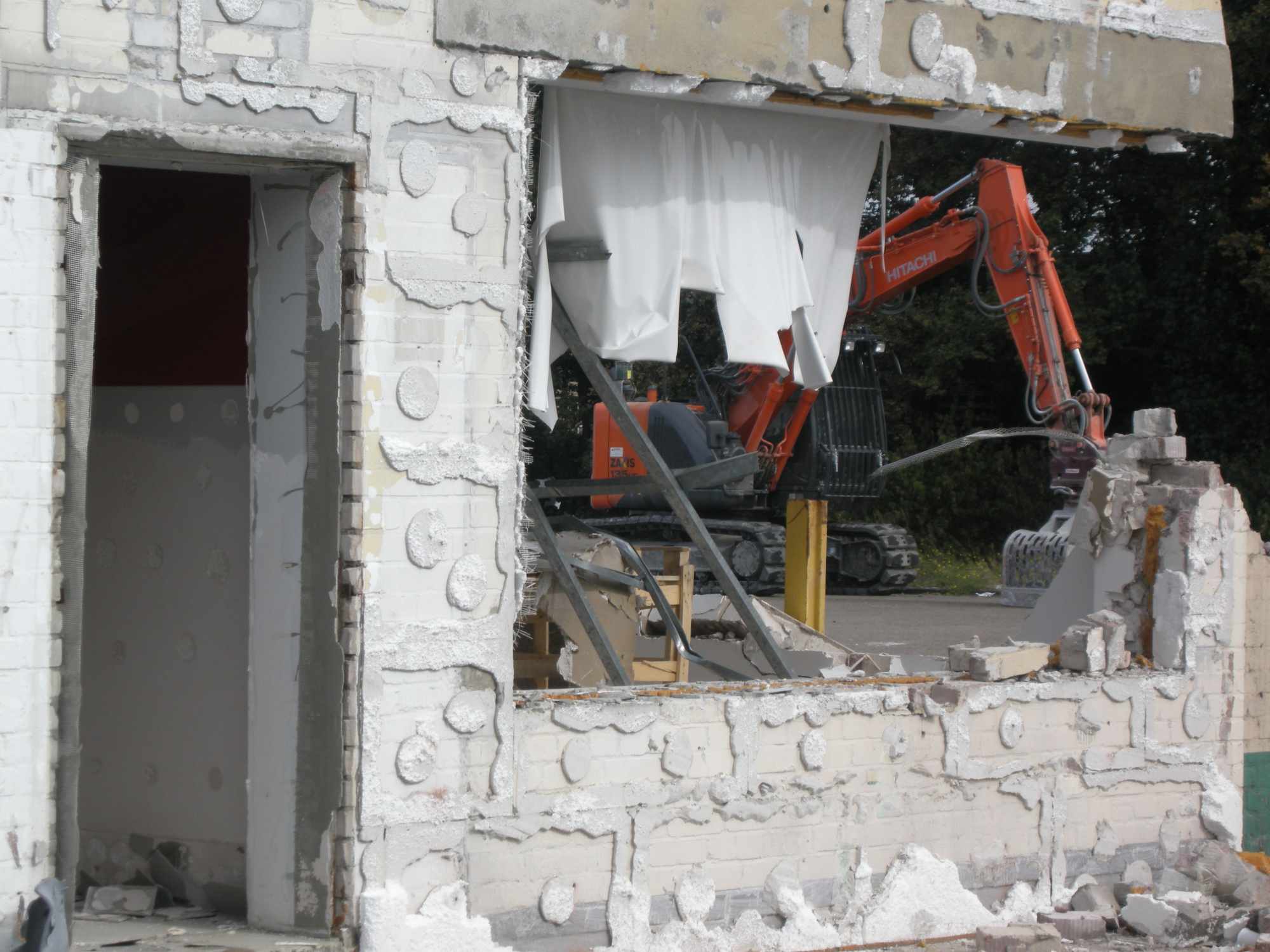
Residential Projects
Residential projects require careful planning, skilled workmanship, and a strong understanding of construction requirements. Preparing a residential site involves tasks such as demolition, excavation, and internal strip outs to support new builds or renovations. Each stage must be completed with precision to ensure the safety and stability of the property. Professional civil services help homeowners begin their projects with confidence. By following organised processes, the work progresses efficiently and smoothly. Proper site preparation plays a major role in the overall success of residential construction.
Every residential project begins with a thorough assessment of the site and project scope. Understanding the layout, structure, and surrounding environment allows the team to plan the work effectively. Careful preparation ensures the right equipment and techniques are used for the job. Experienced professionals focus on maintaining accuracy throughout the process. This structured approach helps avoid delays and unexpected issues. With proper planning, residential construction projects can progress with greater efficiency.
Demolition and excavation services often form the foundation of residential developments. Removing outdated structures or preparing the ground for new foundations requires skilled handling and reliable equipment. Professionals carry out these tasks in a controlled and organised manner. By maintaining accuracy during this stage, the groundwork becomes stable and dependable. Careful execution ensures surrounding areas remain protected. Strong groundwork supports long-term structural performance.
Residential strip-out work is also a key component of many renovation projects. Removing internal fixtures, walls, and fittings prepares the space for updated designs and modern improvements. Skilled teams handle these tasks with attention to detail and respect for the existing structure. By managing removals carefully, the property remains safe and organised. This process helps renovation teams move forward efficiently. A properly cleared space allows the next phase of work to begin without complications.
Maintaining safety and cleanliness on residential sites is extremely important. Professional teams follow safe working practices and manage materials responsibly throughout the project. Keeping the site organised helps ensure work progresses without unnecessary disruption. Clear communication between contractors and homeowners also helps maintain transparency. A well-managed site contributes to a positive construction experience. This approach supports both safety and productivity.
Successful residential projects rely on strong preparation and dependable workmanship. From the initial site preparation to the final stages of development, every step must be handled with care. Professional civil services help ensure the property is properly prepared for building or renovation. Accurate groundwork creates a stable base for long-term structural integrity. With careful planning and skilled execution, residential projects can achieve reliable and lasting results.
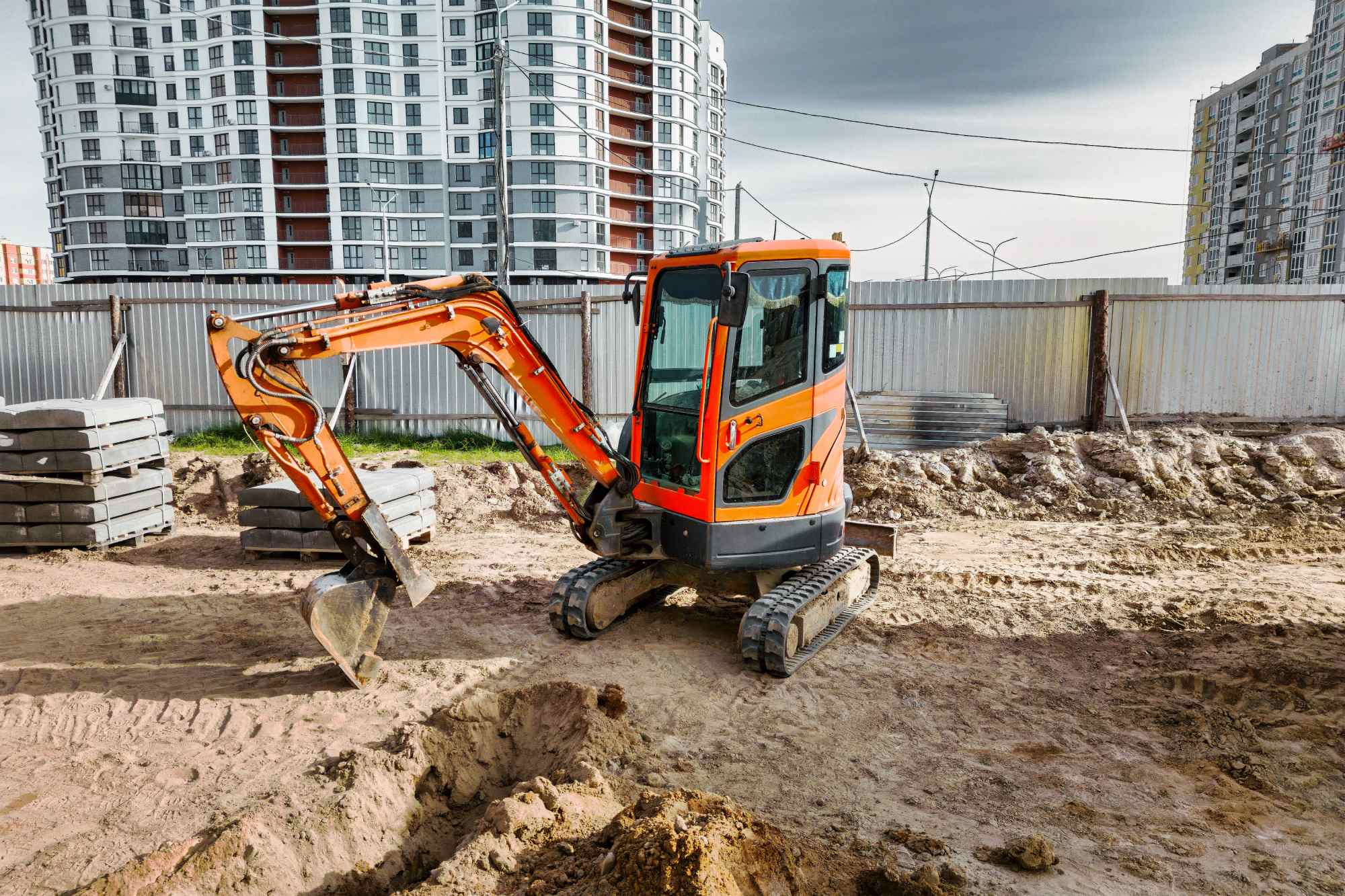
Commercial Projects
Commercial projects require careful coordination, strong planning, and reliable site preparation to support large-scale developments. These projects often involve demolition, excavation, and strip-out work before construction can begin. Each stage must be managed professionally to ensure the site is prepared safely and efficiently. Proper groundwork helps maintain structural stability and supports the success of the overall development. Experienced teams understand the importance of working within strict timelines and project specifications. With the right approach, commercial sites can be prepared smoothly for the next phase of construction.
Before any work begins, a detailed evaluation of the commercial property is carried out. This allows professionals to understand the scope of work and identify potential challenges. Factors such as building structure, surrounding infrastructure, and safety requirements are carefully considered. Planning the project thoroughly ensures the correct equipment and resources are used. Skilled operators then execute the work with precision and organisation. A well-structured plan helps keep the project moving efficiently.
Demolition and excavation are often essential steps in commercial site preparation. Removing existing structures or clearing land requires specialised equipment and experienced handling. Professionals perform these tasks in a controlled and systematic manner to maintain safety and accuracy. By carefully managing each stage, the site is prepared without disrupting nearby structures. This careful approach ensures the worksite remains organised and secure. Accurate groundwork supports long-term building performance.
Strip-out services are also common in commercial renovation and refurbishment projects. Offices, retail spaces, and other commercial interiors often require internal removal before redesign or redevelopment. Fixtures, partitions, ceilings, and flooring are removed carefully to prepare the space for new layouts. Skilled teams ensure the structural elements of the building remain protected throughout the process. Maintaining order during removal keeps the project progressing smoothly. A properly cleared interior allows contractors to begin the next phase of work efficiently.
Efficiency and coordination are essential when managing commercial projects. Construction timelines often involve multiple contractors working simultaneously on the site. Professional teams ensure their work is completed on schedule to support overall project progress. Clear communication and organised site management help maintain workflow across different stages. This collaborative approach helps minimise delays and disruptions. Strong coordination contributes to a successful project outcome.
Ultimately, commercial site preparation forms the backbone of any successful development. A well-prepared site allows builders and contractors to proceed with confidence and accuracy. Professional workmanship ensures the work meets structural and safety standards. Each stage of preparation contributes to the durability and efficiency of the final structure. With proper planning and execution, commercial projects can move forward with stability and long-term success.